
The Museum: Society Is Stronger Than War
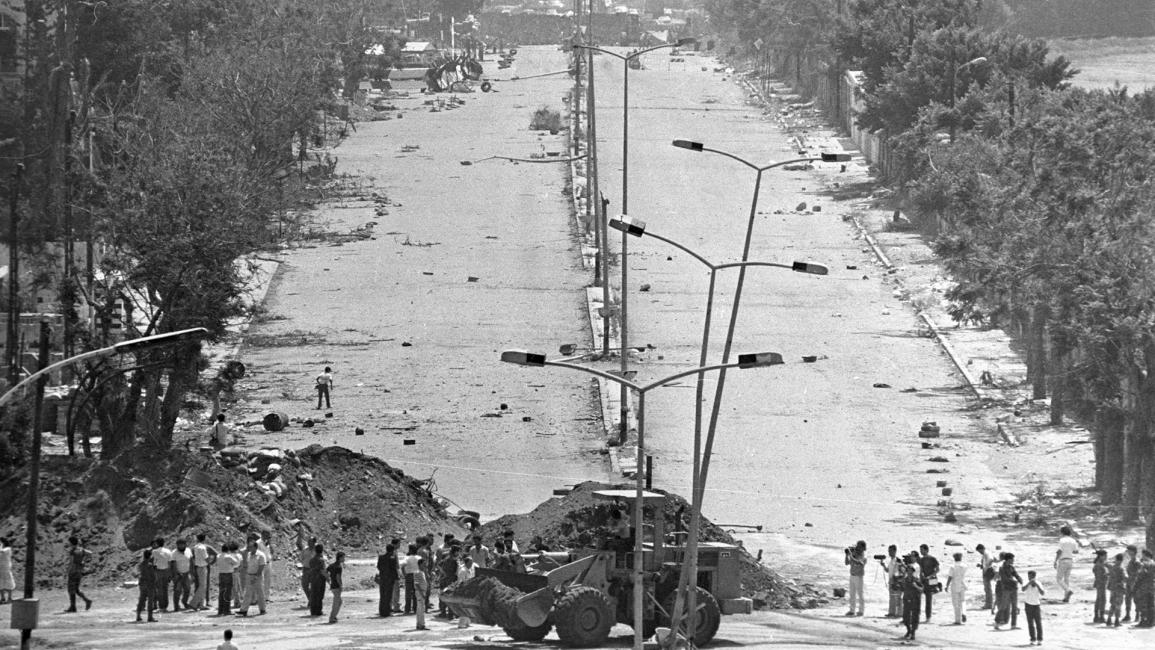
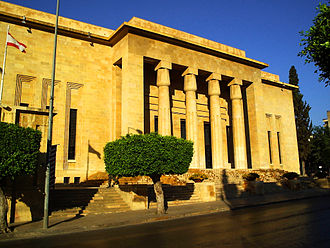
Lebanese people disagree even about the National Museum . While many consider it a Lebanese treasure and symbol, there are those who see it as part of an effort to falsify history . The story of the museum began after the proclamation of the State of Greater Lebanon in 1920 and with the successive archaeological discoveries. At that time, a number of citizens and politicians spoke out, calling for the construction of a museum. They were eager to build a national identity that would unite the state and its citizens . They also feared that the antiquities might be stolen or lost. The government approved the construction of a museum. “The Friends of the Museum Committee” actively worked to raise funds for the project, and the municipality donated a plot of land. The architects Antoine Nahas and Prince Ringer were commissioned to design it (in 1930). The construction was completed in 1937, but the opening was delayed until 1942. With the outbreak of the 1975 war, the museum was turned into a battlefield. Its location, originally chosen to symbolize the unity of Lebanon and its people, stood at the intersection of the Damascus Road and a main artery connecting the two halves of Beirut. It became a dangerous hotspot along the front line that divided the capital. Moreover, the museum was struck by fire and suffered from looting. But its director, Maurice Chehab , along with several staff members, set an example of a government employee devoted to the nation’s institutions and heritage. They risked their own lives to protect what remained of the collections. They packed the artifacts in wooden crates and hid them in safe places, and poured concrete over the statues and mosaics that were too difficult to move. Despite their efforts, the thefts kept mounting, and the museum was flooded by seawater that reached its lower level. The road leading to it, between Adlieh and Barbir, became a gauge of the intensity of the fighting. Entering it meant being lost, while leaving it meant being born anew. But the Lebanese did not give in. Those who opposed the continuation of the war and the deterioration of political, security, economic, and social conditions made the museum a central focus of their meetings and activities. They often gathered here, coming from both sides, demanding an end to the fighting and the opening of the museum passage and other routes between the two halves of Beirut, the release of hostages and the revelation of information about the fate of the missing, as well as measures to stop the collapse of the national currency and to adjust wages. After the war, the museum was renovated , and a citizen donated an iron gate to it.