
Beit Beirut: Memory of the City
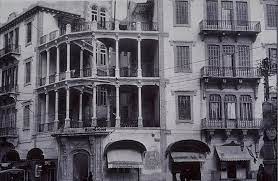
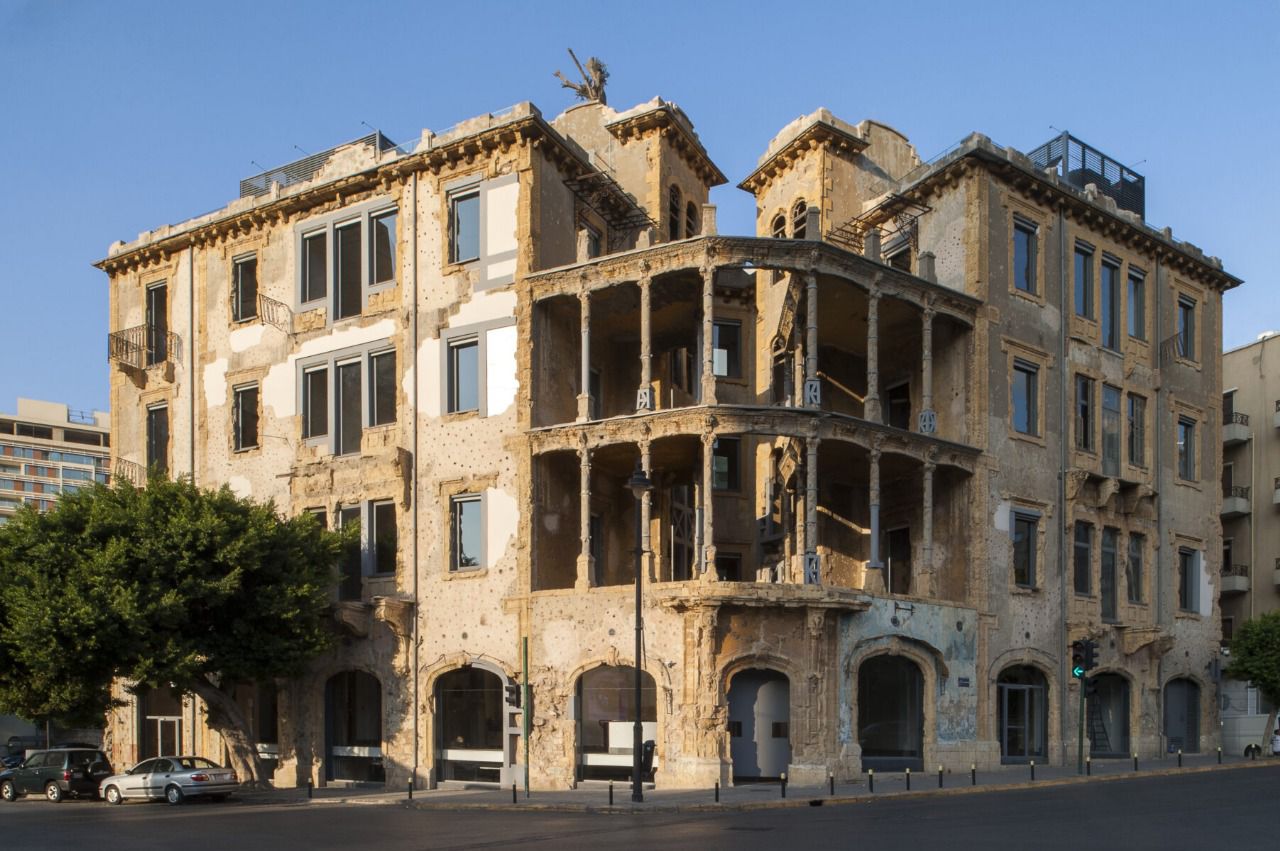
This yellow building , when its construction began in 1924 with limestone from the mountains of Deir al-Qamar, was a beautiful Beirut dream. The couple, Nicholas and Victoria Barakat, wanted to build a small building, including a house for themselves, in this promising and quiet area, on the Damascus Road between Beirut Souks and the Jesuit University (Saint-Joseph University), and between Achrafieh and Basta. They chose one of the most famous engineers, Joseph Aftimos, who later designed the municipality building (1926). They chose one of the most famous engineers, Joseph Aftimos, who later designed the municipality building (1926). He designed two two-story buildings for them, each containing two houses, with a garden in the middle. Years later, the couple wanted to expand their project. The architect Fouad Kazah added two floors and made the two buildings into one building (1932). He transformed the roof into a terrace where residents could relax and enjoy views of the sea and the city. He was not content with this, so he also improved the facade, transforming the staircase, which lies between the two buildings, into open spaces framed by columns like arches. This gave prominence to the windows, framed doors, and flying balconies with decorative iron railings. The building, with its spacious houses and high ceilings, became like a palace that blended Eastern and European architectural styles. But with the outbreak of war and the transformation of the neighborhood into a front line, the dream became a nightmare. The building’s residents were displaced, and fighters took their place. They poured reinforced concrete into a sniper’s bunker. After the war, the owners decided to demolish the building, parts of which had been destroyed and its façade deformed. However, others, those striving to preserve Beirut’s heritage buildings, landmarks, and memory, had a different opinion. They mobilized to protect the building and others like it, and they succeeded. In 2003, the municipality issued an expropriation decree for public use, announcing the transformation of the building into a museum called “Beit Beirut.” In 2009, in cooperation between the municipalities of Beirut and Paris, restoration work began. The approach adopted focused on preserving the building and the traces of war. While parts of the original homes were kept, the interior spaces were modified to accommodate the new functions of the museum, which includes a theater and exhibition halls. It was officially opened to the public in 2016.