
Burj El Murr: The Monument of War
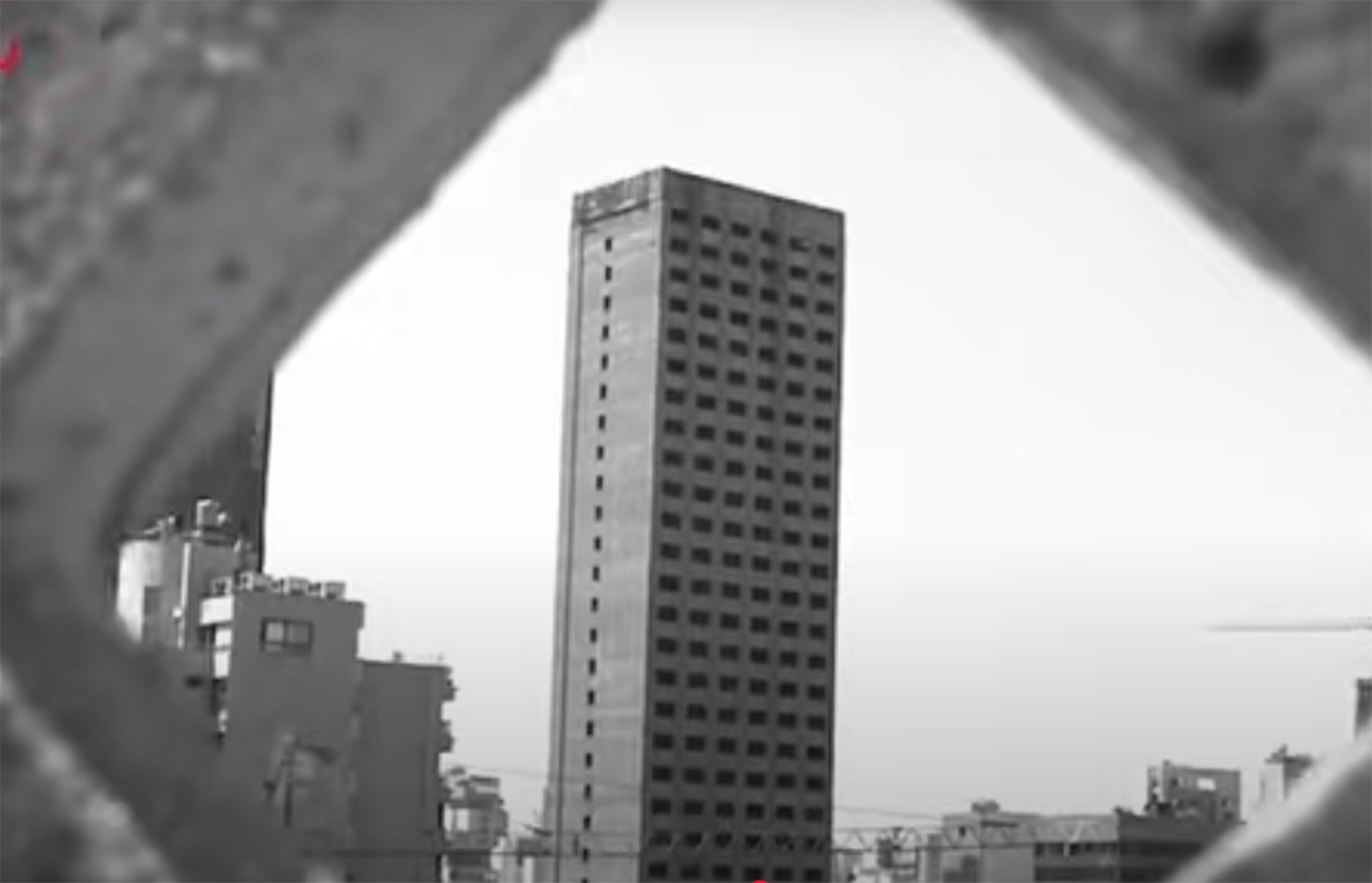
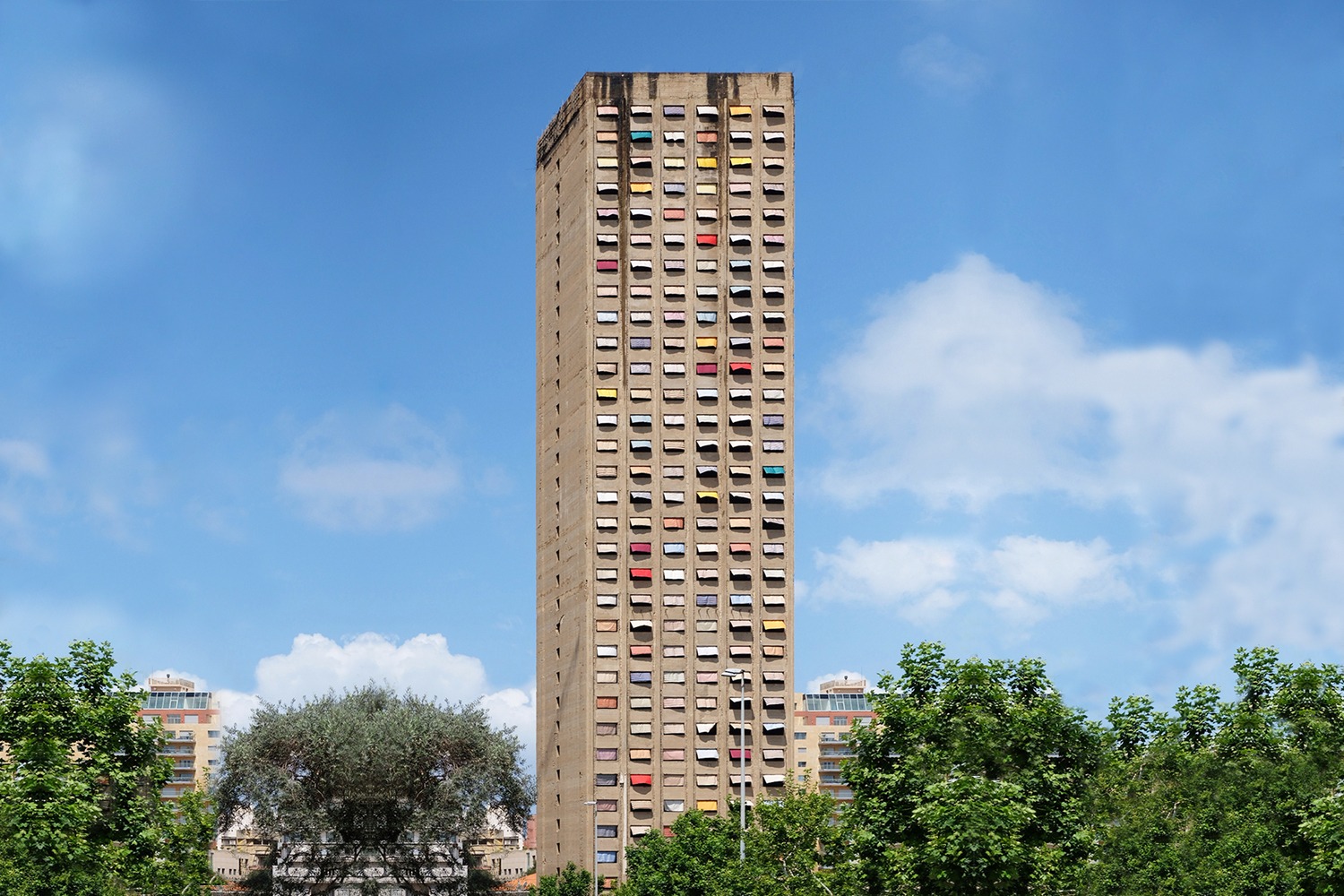
We head toward Burj El Murr . But look southward, as Beirut did nearly two centuries ago — for that is where it first expanded beyond its walls. After the port became active, the markets flourished, and the population grew, people needed new land, so they moved in that direction. They built houses and paved the path with stone slabs, calling the locality Zkak Al Blat. After the 1860 civil strife in Mount Lebanon , many of its residents sought refuge in Beirut. There, the educator Butrus al-Bustani founded the first school dedicated to teaching generations the values of patriotism, civility, knowledge, and literature. It was also there that the great artist Fairuz grew up, and her voice blossomed. It is not so important that Burj El Murr, with its thirty-four floors, began construction in 1970 facing the Presidential Palace in Qantari . That palace, to which the Lebanese once marched during their independence movement , was later abandoned in favor of others in Zouk Mikayel, Sin El Fil, and finally Baabda. What matters is that this tower, which embodied rapid construction and a wave of real estate and commercial growth, stood like a modern giant, blocking the sunrise over the heritage palace. What also matters is that the tower was built along the road connecting the two halves of Beirut, at a major intersection: to the east lay the markets, Wadi Abu Jamil , Achrafieh , and other now densely populated neighborhoods; to the south, active zones and the airport; to the west, Ras Beirut, Hamra , the Central Bank of Lebanon, and the American University ; and to the north, the seafront and the hotels. This location, along with the building’s height, made the tower a strategic military position at the outbreak of the 1975 war. The warring factions rushed to seize control of it, for whoever held it could command the city with fire. Fighters from the western side took over the tower, placing it face-to-face with the Rizk Tower on the eastern side. Its lower floors were turned into a prison by one of the militias. Later, the Syrian army made it one of its positions. Its owner eventually became entangled in a dispute with the Solidere company, which considered the tower part of its area and properties. Thus, its fate remained suspended — and the tower itself remained hanging over Beirut’s skyline, like a monument to the war that killed, destroyed, and scattered countless people and projects, turning dreams into nightmares.