The Sea: The City’s Breathing Space
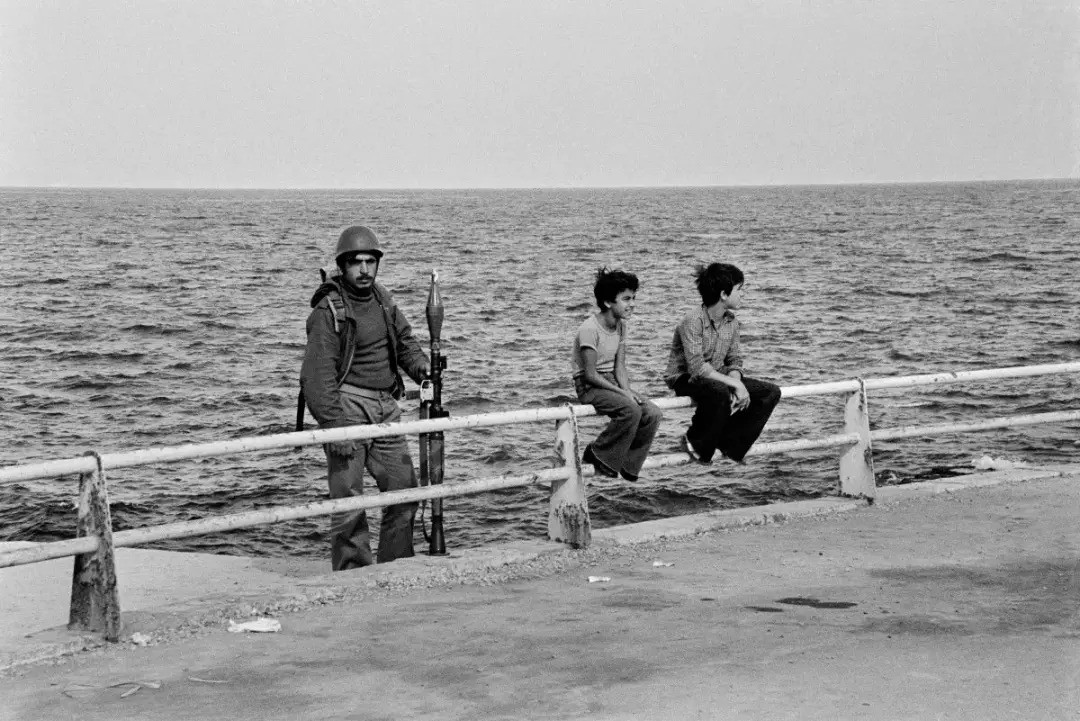
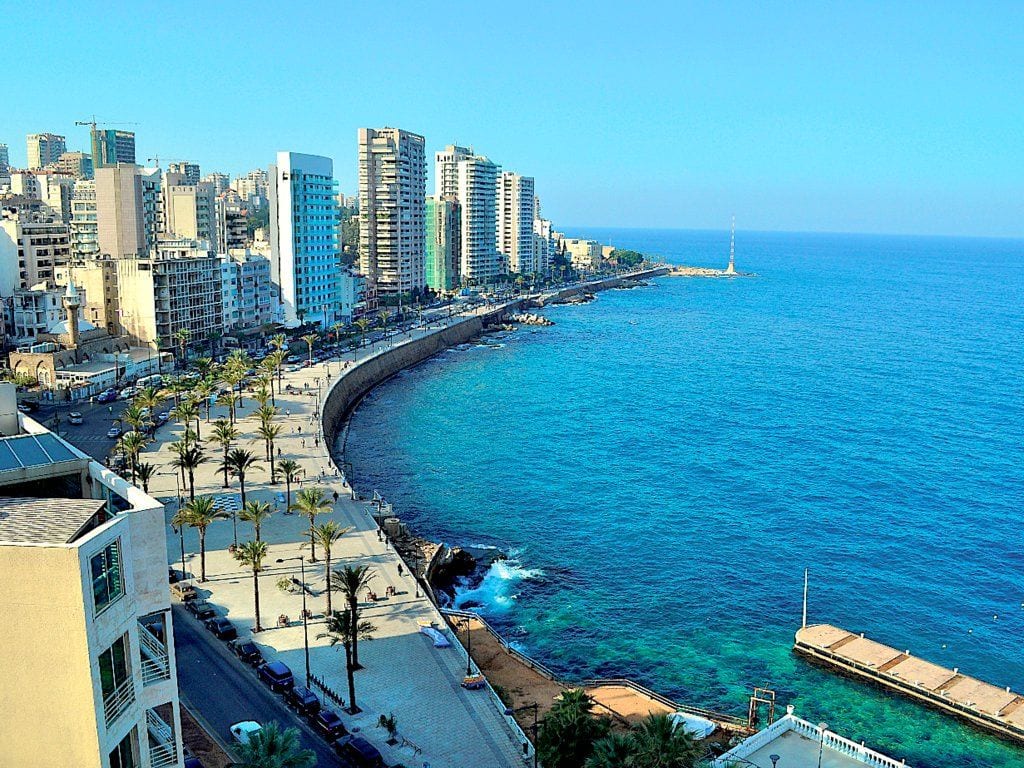
You are standing before the sea of Beirut, the sea that inhabitants still visit during the feast of Arba‘at Ayyoub (The Wednesday of Job) . Imagine this: here once lay the peaceful town of Ras Beirut. It has vanished beneath these tall buildings and crowded neighborhoods. All that remains are a few old houses, small gardens, forgotten paths, and a lighthouse now surrounded by buildings, along with the “Things That Do Not Die” that writer Mohammad Itani spoke of, as he watched his rural world fade away. After the Syrian Protestant College had been located in the Zkak El Blat locality, its mission purchased “vast real estates covering the entire northern extension of the Ras Beirut hill” (in 1870) , where it built College Hall. Houses and buildings then began to spread. In addition to the local residents, many of whom had moved from the old town (downtown Beirut) after it became overcrowded, came university staff and students, as well as consuls, merchants, and others. When the French launched their urban renewal and expansion project for Beirut, this coastal road was opened , with the first excavation works beginning near Raouché Rock in 1922. As part of that project, Avenue des Français was opened in the Minet El Hosn and Zeitouna localities. Hotels, restaurants, and bars were built there, making it a center of leisure and entertainment. It soon stole the spotlight from Martyrs’ Square, later sharing it with Raouché. Samir Kassir notes in his book “History of Beirut” that, with the spread of hotels and beach clubs along the coast, “a close bond developed between the city’s residents and the sea, and the summer migration toward summering village resorts declined.” One of the outcomes of the tramway (1908–1965) , one of whose lines extended from Furn El Chebbak to the Manara, passing through Bab Idriss and the American University, was that it facilitated transportation and urban development in the areas it reached, including Ras Beirut, which became the most diverse and modern part of the capital and of Lebanon. It attracted many people, Lebanese from all regions, as well as Arabs and foreigners, to live and work there. Among them was the historian Kamal Salibi, who came to know and love “the charms of Beirut,” saying that “it is difficult to find anywhere else in the world like Ras Beirut.” But the years of the civil war (1975-1990) altered the city’s landscape and the way of life within it. Even the Corniche itself was not spared from this chaos. Violations became widespread there and along the coast, and a street market emerged across from the Raouché Rock and in front of the modern buildings. And amidst the chaos, haphazard development, and the encroachments, violence came to deepen the tragedy of the sea and its surroundings. Perhaps the most notable event the Corniche witnessed was the bombing of the U.S. Embassy in Ain El Mraisseh . Despite everything, the Corniche has remained one of Beirut’s defining landmarks. It continues to draw people’s hearts, through summer and winter, day and night, and in every political and security climate. It is the city’s true breathing space. It has its regulars, those who come to exercise, walk, or swim, along with fishermen, street vendors, strollers, tourists, and lovers. Real estate investors also rush to it, racing to build the city’s tallest and most expensive skyscrapers along its edge.