
The Port: Beirut’s Rise and Its Explosion
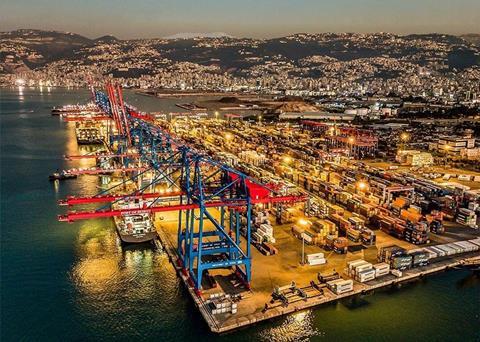
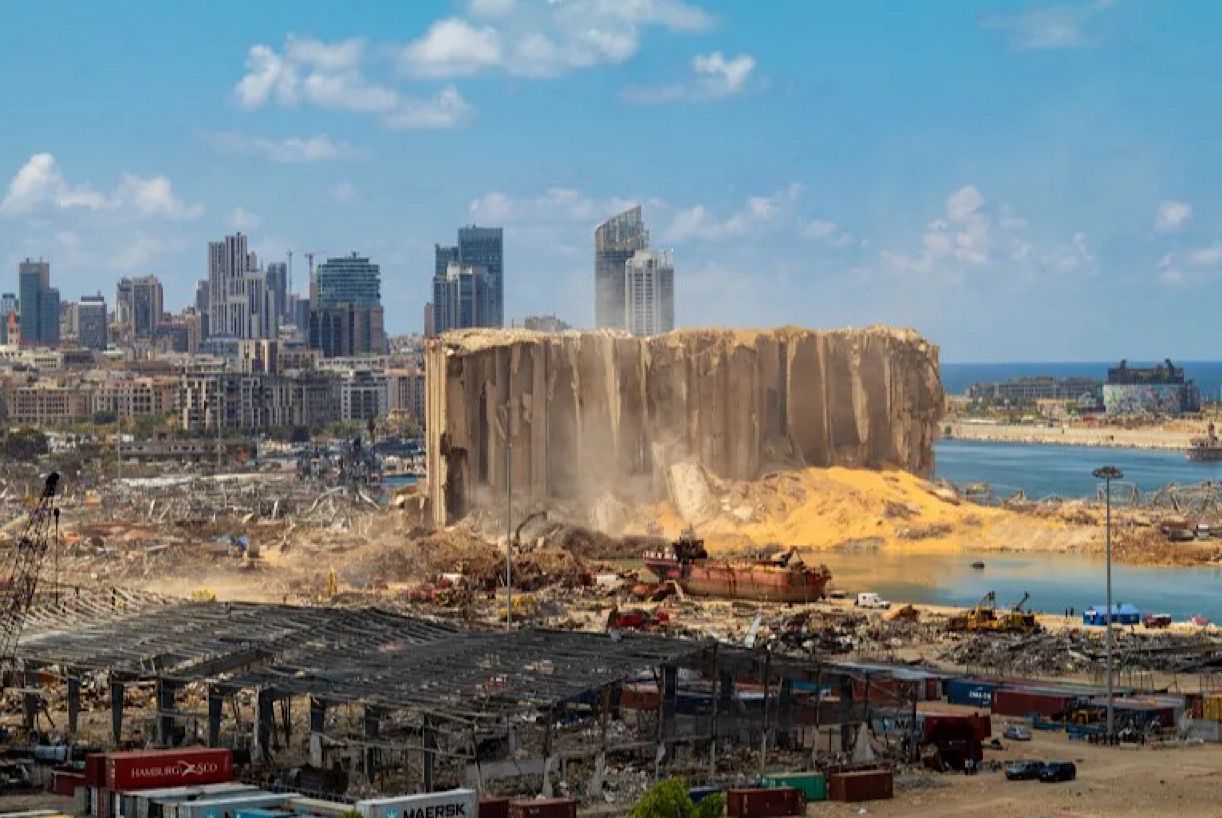
Beirut’s rise, over the past two centuries, has been closely linked to its port . Because of it, and due to the city’s location on the eastern Mediterranean Sea, Beirut, with the Industrial Revolution and the invention of steamships, became Europe’s gateway to the region. Thanks to the port, trade grew; markets multiplied; the population of Beirut increased, and new neighborhoods were built. It also played a key role in opening the road to Damascus. During the period of Egyptian rule over the Levant (1831–1840), the port was expanded and fitted with a weighbridge; a commercial court was established; and the Karantina quarantine station was built, where travelers were held for forty days to prevent the spread of epidemics and diseases. Then, starting in 1856, when banks began to appear and opened branches near the port, they provided their clients with services through steamships connecting Beirut to ports and cities around the world. From that time, the port also served as a gateway for the emigration and global dispersion of the Lebanese. For this reason, the statue “The Lebanese Emigrant” designed by Ramez Barakat, was placed nearby. In 1938, the new port was inaugurated, becoming one of the largest ports in the region and a gateway between continents. It came to include four basins, sixteen docks, twelve warehouses, and a number of grain silos. These silos, built between 1968 and 1970 with Kuwaiti funding and the largest in the Middle East, became the site of the largest non-nuclear explosion in history on August 4, 2020. On that day, the contents of Warehouse 12, which had stored tons of ammonium nitrate, explosives, and oils since 2013, detonated, leaving large parts of the city in ruins and covered in debris. Several speculations have circulated regarding the causes of the explosion, the most prominent being negligence and corruption, and an Israeli attack targeting the port or the weapons stored in it. To this day, the investigation into the explosion has not been concluded. The blast killed 243 people from 13 countries, injured thousands, and destroyed more than 70,000 homes. Yet the silos, which helped shield part of the capital, will remain as a witness to the tragedy. In August 2025, the Ministry of Culture added them to the list of historic buildings, responding to pressure from the victims’ families, who continue to seek justice and recognition for the victims