
Karantina: A quarantine that has become an environmental hazard
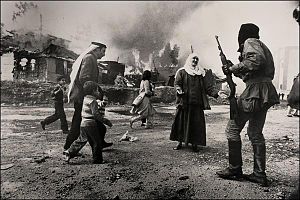
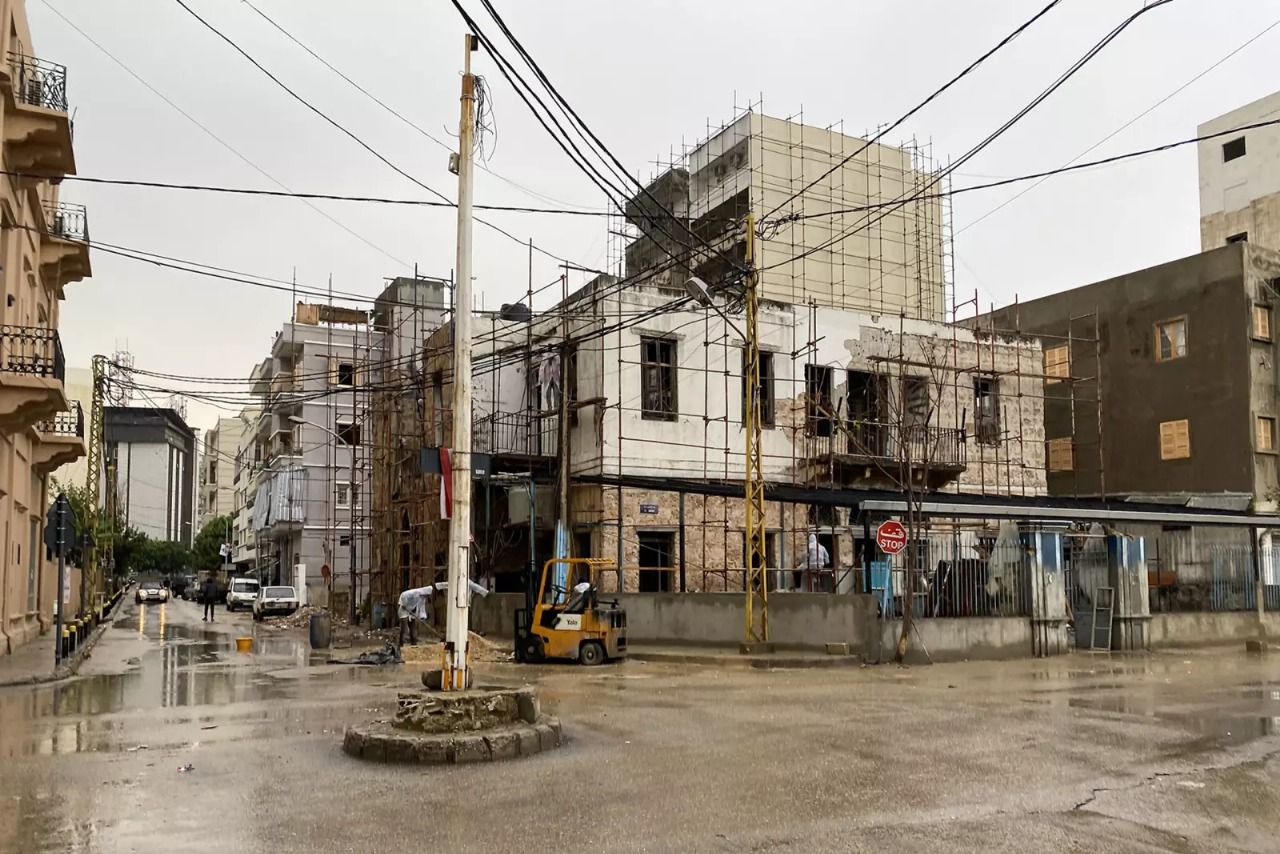
Ah, for Karantina , which was once a beautiful land between the sea and the Beirut River. Since it was chosen, due to its proximity to the port, to build a quarantine for those arriving by sea, and became known as Karantina. A fate of misery and suffering was written for it. It was an oasis for Bedouins, and a slaughterhouse was built there. In 1913, a civilian airplane landed there, as Beirut Airport had not yet been built. Later, Armenian refugees who had survived the massacre of their people (1915) were taken in. They then left for Bourj Hammoud. While a number of Palestinian refugees arrived there in 1948, investors built in it industries, factories, warehouses, tanneries, and grain mills there. The workers in this area, and those looking for work in it or in the port and the city, began to build modest houses. Karantina has become one of the shantytowns surrounding Beirut. With the outbreak of the 1975 war, fighters from the eastern region rushed to take control of it. They were drawn by its location on the sea near the port, its role as a passage between Beirut and Mount Lebanon, and the need to push back Palestinian militants, whose transgressions had become frequent in this locality and other areas. They seized it and made it their headquarters. When the country plunged into a spiral of violence and chaos, and militias violated the lives of Lebanese men and women, Karantina, like many other neighborhoods in the opposing sectors, became associated with terror, kidnappings, enforced disappearances, and killings. It is one of four sites that the investigation committee established by the Lebanese government identified as containing a mass grave . While this has become a thing of the past, remembered so it may never be repeated, what remains, and what is most dangerous, is that Karantina has become one of the most environmentally polluted areas in both Beirut and Lebanon. In a country without urban planning or solutions to its social, environmental, and other problems, it has turned into a dumping ground for wastes of factories, slaughterhouses, hospitals, and waste from the city and surrounding areas. Despite this, many refugees and poor people find no other place to be kind to them, even after it was struck, and with great force, by the port explosion earthquake .