Tayouneh: More Than a Roundabout
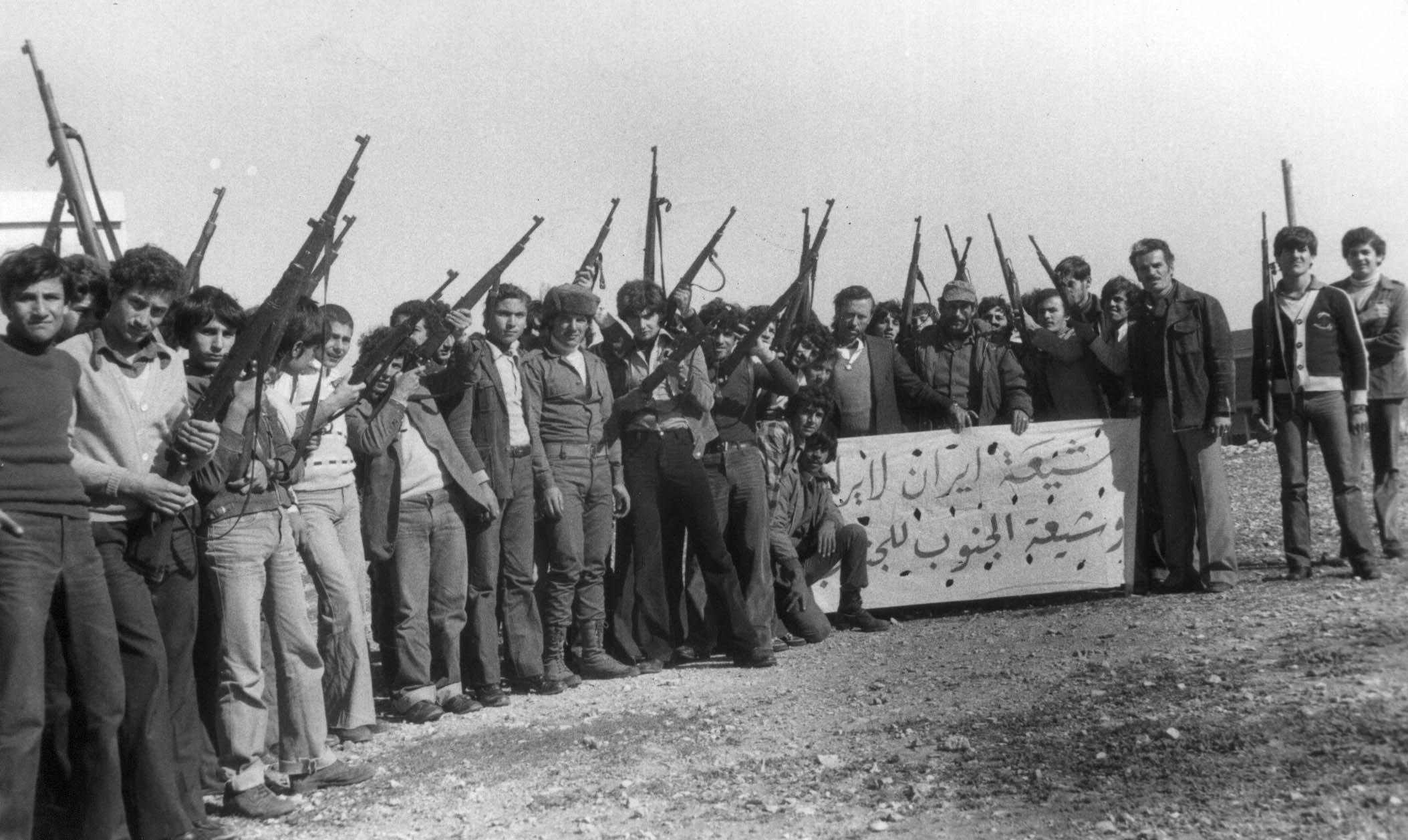
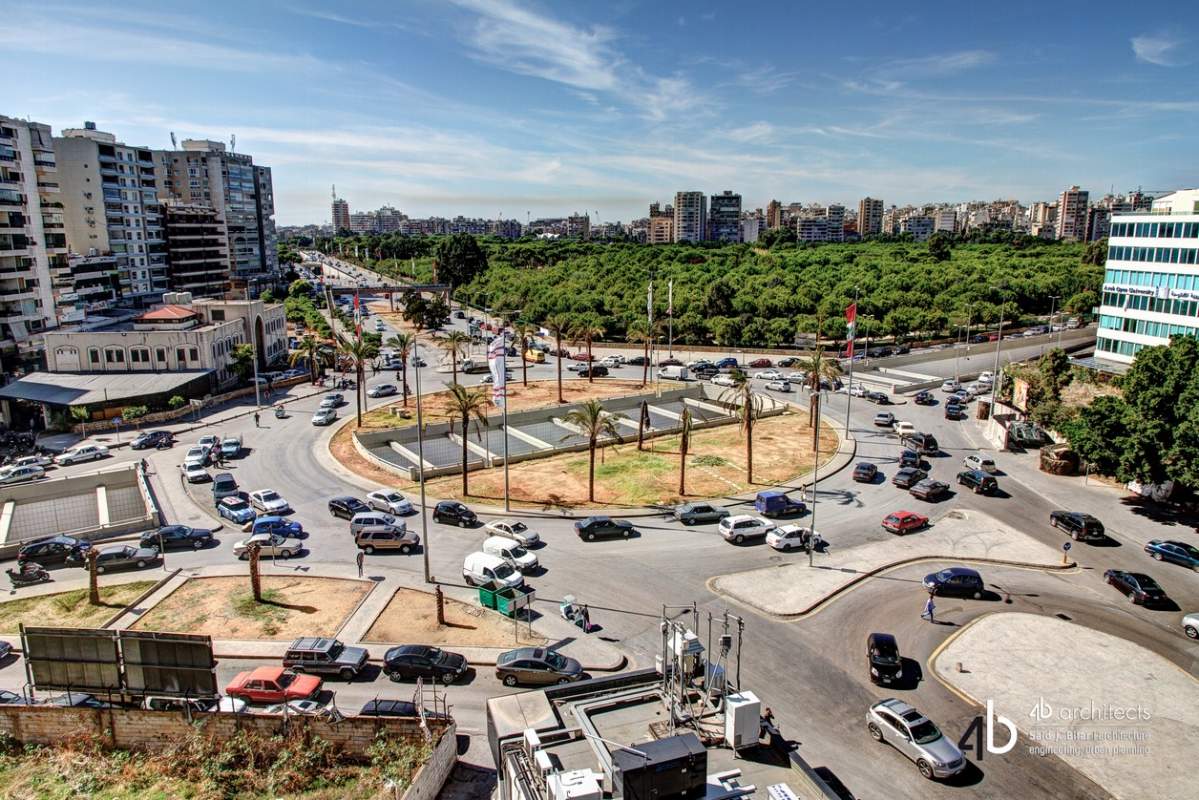
Under the influence of traffic congestion and chaos, it is a mistake to think that Tayouneh is merely a roundabout at a busy intersection connecting Beirut, the southern suburbs (Dahieh), and Ain El Remmaneh. This locality has been important and at times dangerous, ever since it hosted the celebration for the first governor of the Mutasarrifate of Mount Lebanon in July 1861. Among the events that took place there was the killing of eight protesters who were heading toward the Palace of Justice to protest the investigation into the port explosion, on 14 October 2021. And it was here that the spark of the civil war passed on 13 April 1975 . Just minutes after a bus carrying Palestinians heading to the Tal Al Zaatar camp crossed through and entered Ain El Remmaneh, it was fired upon, and several passengers were killed. It was said that this was in retaliation for an assassination attempt earlier that same day, in the same locality, against Pierre Gemayel, the leader of the “Kataeb Party”. And soon, this roundabout turned into a confrontation line between the western and eastern parts of the city. Yet, it remained magnetic. Because of its proximity to the Palace of Justice, several official institutions, the military hospital in Badaro, and the horse racing track, it became a passageway for politicians, judges, employees, soldiers, merchants, horse-racing enthusiasts… and citizens. Beirut’s pine forest (Horsh Beirut), which borders the roundabout, was turned into a minefield. The investigation committee formed by the government confirmed the presence of a mass grave there, in addition to three others: one in Mar Mitr in Achrafieh, one in the English Cemetery in Tahwita, and one by the sea where some were thrown. The committee declared that “it is difficult to determine the identities of the bodies buried there,” considering that “all the kidnapped and missing persons are to be regarded as deceased.” However, the Committee of the Families of the Kidnapped and Missing in Lebanon, which continues to work to uncover the truth and raises the slogan “Tinzakar ma tinaad (We remember so it won’t happen again),” considers that the state has closed this humanitarian issue unjustly, both for the missing persons and for their families . Despite what Horsh Beirut and Tayouneh have witnessed, they remain points of connection. A cooperative theater located at the roundabout fittingly named itself “Sunflower – Douwar Al Chams.”