
Shatila: From cemetery to massacre
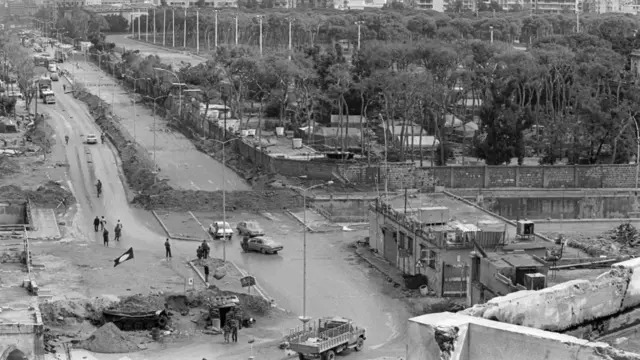
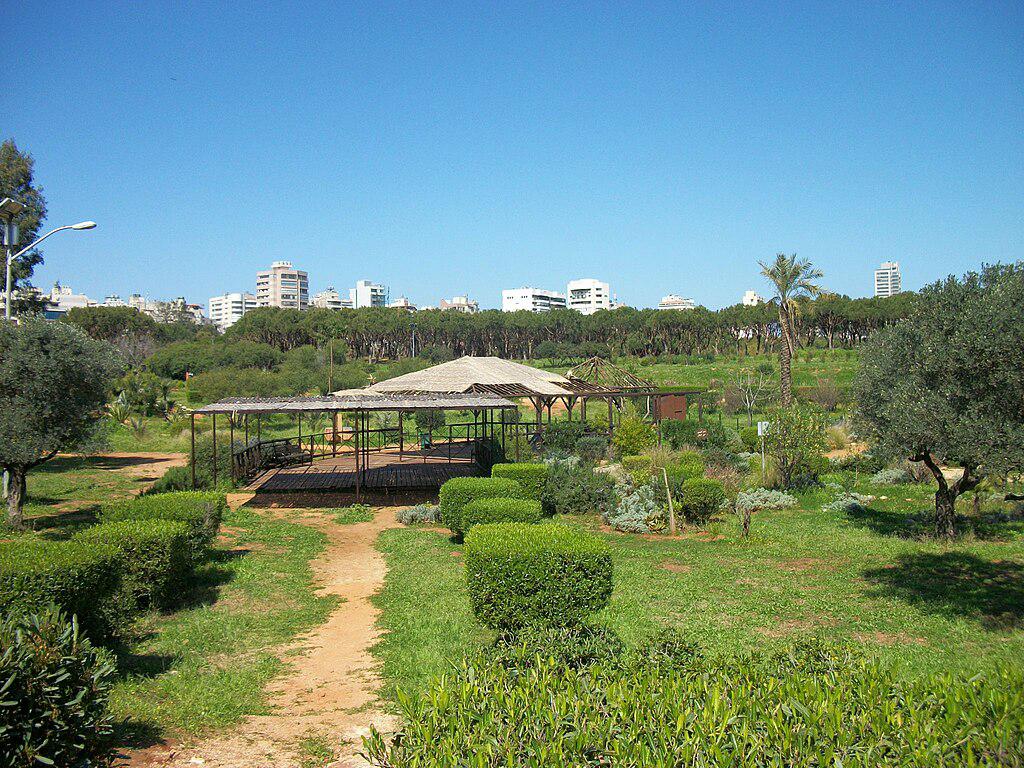
The Shatila roundabout is located in the middle of the first wide and highway in Beirut, between Martyrs’ Square and the airport. When this road was built, the airport was still under construction, and it was inaugurated in 1954. This locality was not a roundabout. Since 1969, it has been the “Cemetery of the Martyrs of Palestine,” next to the Shatila camp, which has been inhabited by Palestinian refugees since 1949. This camp expanded southward into the Sabra locality and westward toward the Sports City. In addition to Palestinians, Lebanese, Syrians, and Egyptians also lived there. This cemetery, which was turned into a roundabout after the 1975–1990 war, contains the remains of Palestinian leaders, intellectuals, and military personnel, some of whom were assassinated by Israel in Beirut as well as Arabs and foreigners who supported the Palestinian cause. These cemeteries were one of the entry points used by those who committed the massacre in Sabra and Shatila during the Israeli invasion in 1982, after the Palestinian fighters had departed by sea to Syria and Tunisia. Israeli Defense Minister, Ariel Sharon oversaw the crime from the area near the Kuwaiti Embassy. His soldiers surrounded Sabra and Shatila and prevented their inhabitants from leaving. The total number of victims was about six thousand victims. News of the massacre, which began on September 15 and lasted for more than two days, did not become known until four days later. After the world was shocked by the massacre, and the occupation army was accused of orchestrating it, an Israeli investigation committee exonerated its army and Sharon. It placed the blame on the “Lebanese Forces”. It claimed that the massacre was revenge for the leader of those forces, Bashir Gemayel, who was assassinated the day before, and who had been elected President of the Republic on August 23 but had not assumed his duties. Then the War of the Camps broke out between Palestinian organizations loyal to the PLO Chairman Yasser Arafat and the Amal Movement, which was loyal to the Syrian regime at the time (1985), and Shatila and Sabra did not escape its flames. Twenty years after the tragedy, Elie Hobeika , whose name appeared in the Israeli report as one of the commanders of the forces that carried out the massacre, decided to appear before an international court. However, he was assassinated on January 24, 2002, and Israel was accused of the assassination to prevent the exposure of its role. The “Committee to Remember Sabra and Shatila” continues to commemorate this crime against humanity. Cultural events and visits to the victims’ graves are organized, and supporters of the Palestinian cause from around the world participate.